Wellness groups are assemblies of individuals who come together with a shared goal of improving their physical health and well-being. These communities can be found in various forms, including gyms, athletic squads, running clubs, and online fitness forums. The collective energy generated within these groups plays a significant role in boosting personal output and fostering commitment among members. This article explores how the combined drive and support from peers can elevate fitness standards and reinforce loyalty to individual health goals.
One of the key benefits of being part of a fitness group is the encouragement that members offer one another. When people exercise as a team, they often motivate one another to attain their full potential. This concept, known as social facilitation, suggests that people function more effectively when they are in the presence of peers. The enthusiasm and momentum that circulate through a group during a workout session can motivate participants to push further and achieve more than they would alone. This collective experience not only enhances bodily performance but also creates a sense of camaraderie among participants.
Responsibility is another crucial aspect of fitness groups that works to increase commitment to health goals. When individuals are connected to a group, they are more likely to show up for training sessions and remain steadfast with their fitness programs. Understanding that peers are counting on them can motivate participants to stick to their regimens and prevent skipping workouts. Additionally, click resources sharing individual advancement with the group can cultivate a feeling of responsibility, as participants celebrate successes and motivate one another through challenges. This accountability can be especially beneficial for those who have difficulty with maintaining drive on their own initiative.
In addition, wellness groups often offer opportunities to tools that improve performance. Many groups have experienced coaches or well-informed members who can offer direction on efficient workout methods, dietary guidelines, and injury avoidance approaches. By gaining knowledge from one another and sharing discover here tips, community participants can enhance their abilities and comprehension of exercise science. Furthermore, group events such as classes or organized sports often expose people to new workouts that they might not attempt independently. This introduction helps diversify workouts and keeps participants engaged in their fitness journeys.
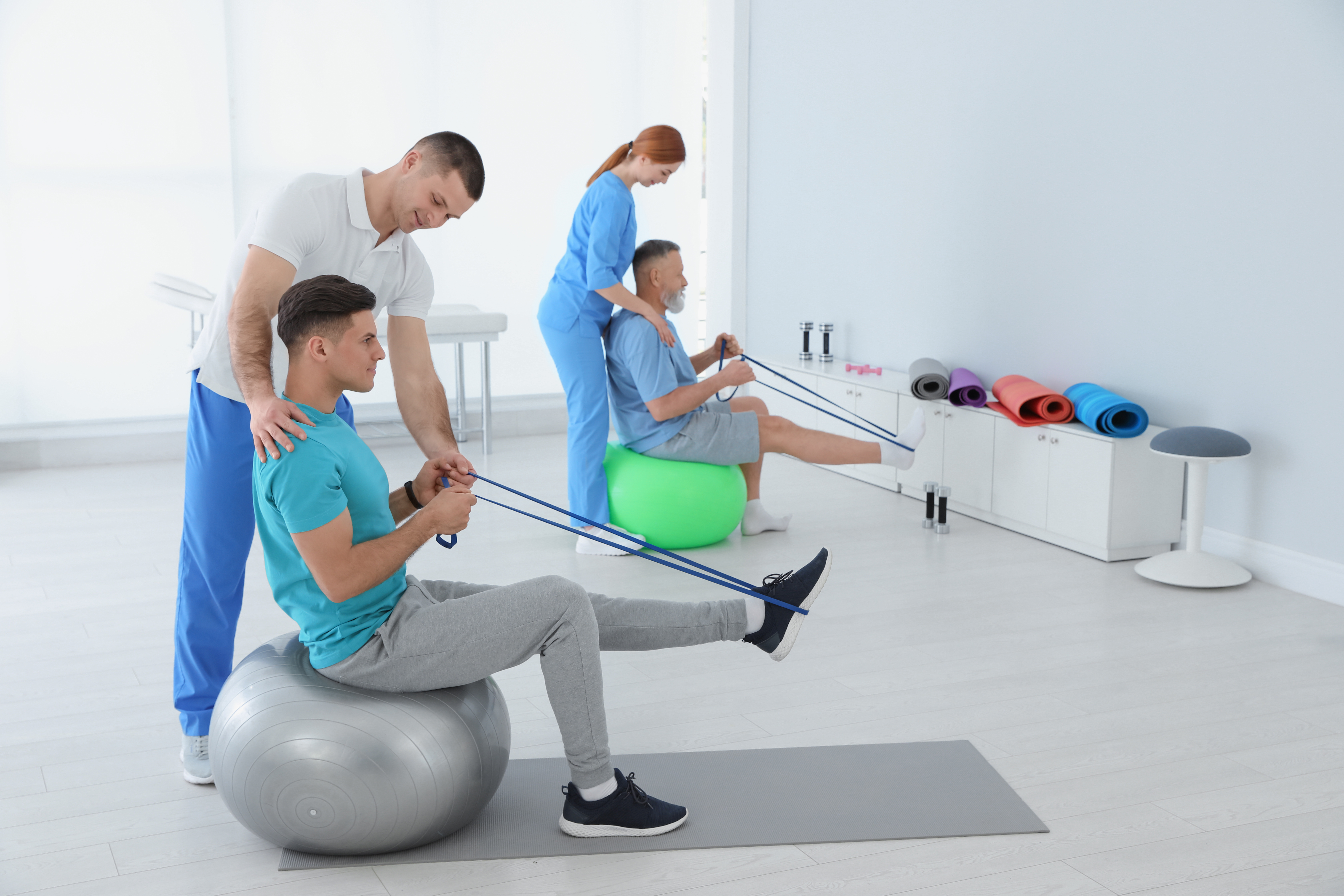
In conclusion, harnessing shared energy within wellness groups significantly influences personal results and dedication standards. The support from fellow members creates an atmosphere where participants feel inspired to push their boundaries while staying accountable to their objectives. Availability to collective insights and tools further enhances the entire experience of being part of these groups. As individuals continue to engage in these supportive communities, they not only improve their physical health but also build lasting relationships that contribute to their well-being long-term.
Comments on “Harnessing Shared Drive to Improve Results and Commitment in Athletic Communities”